8 Factors Affecting the Price of Custom Packaging Boxes
Two custom boxes can look identical but carry different prices. See how materials, dimensions, order quantity, printing, tooling, and assembly affect the final cost.
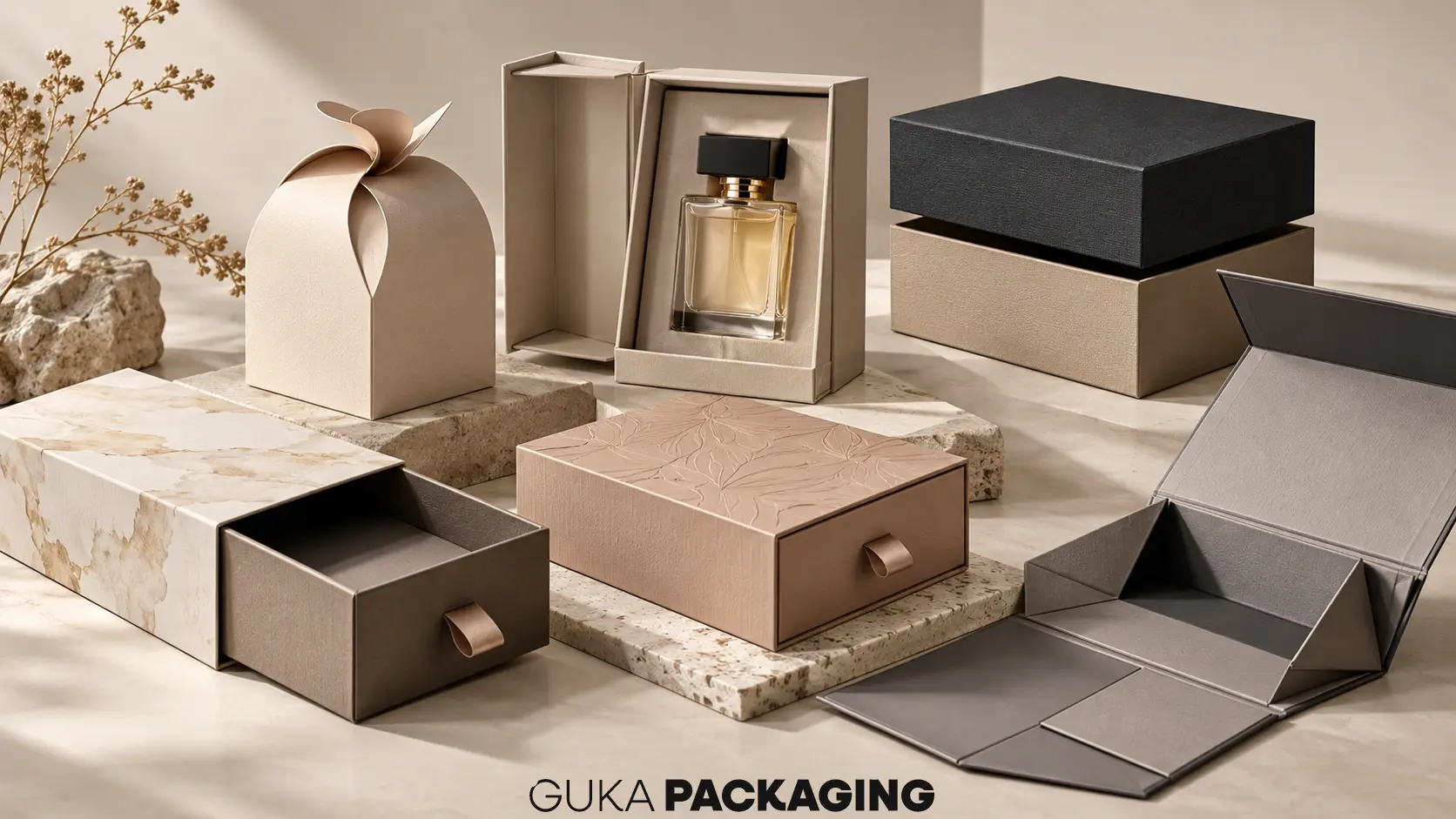
Table of content
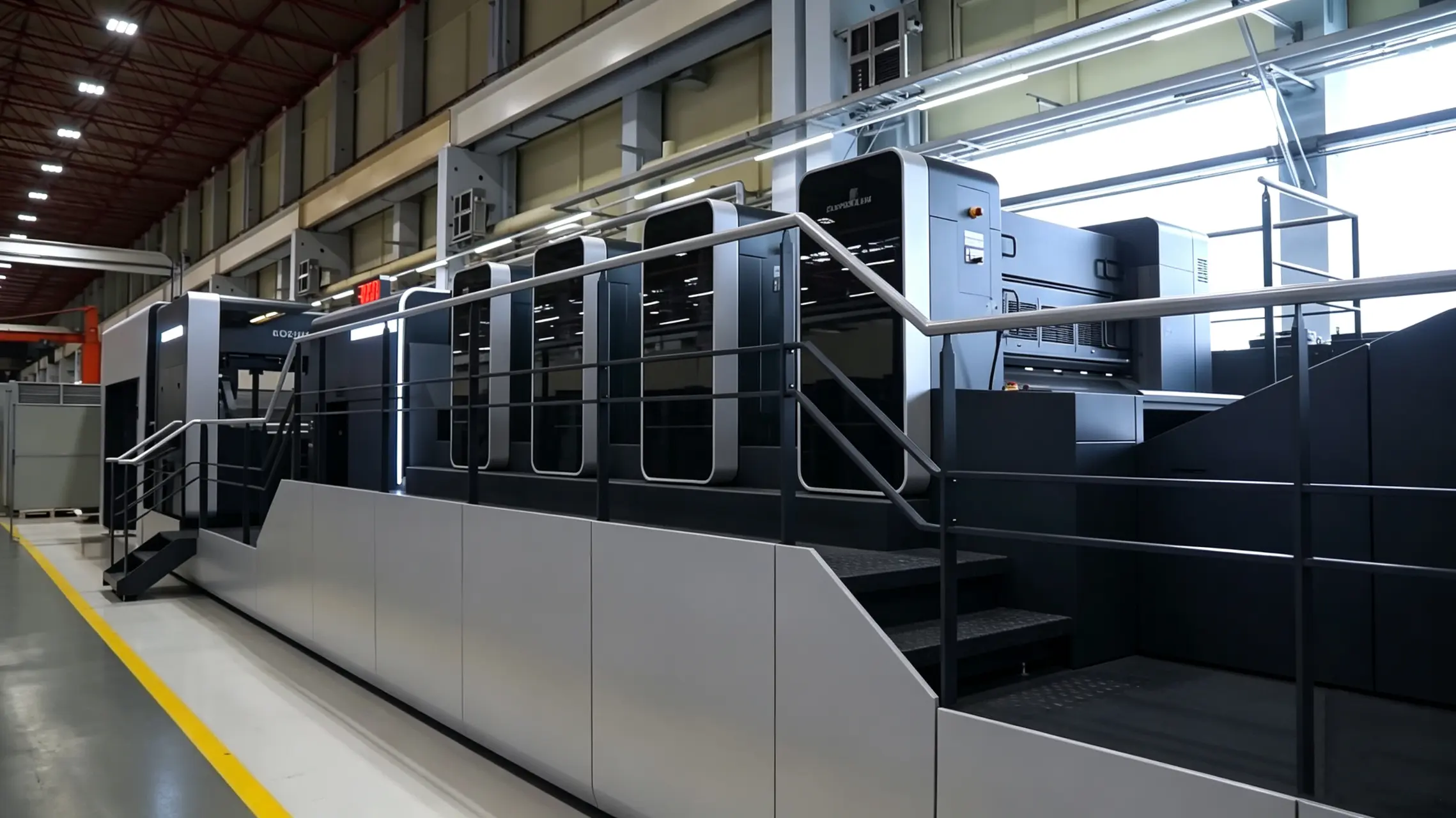
Two custom packaging boxes can look almost identical but receive very different manufacturing quotations. The difference may come from the thickness of the board, how the box is assembled, the number of printing processes, or the quantity being produced.
We see packaging costs through the production work required to manufacture each box. A finished design may look simple, but its components still need to be printed, cut, wrapped, fitted, and assembled. Each operation contributes to the final price.
With more than 28 years of packaging manufacturing experience, we understand why even small specification changes can affect production costs. We also know that a lower quotation is not always based on the same materials or construction requirements.
This article explains the eight main factors affecting the price of custom packaging boxes, using manufacturing examples to show where costs originate and why prices differ.
What Affects the Price of Custom Packaging Boxes?
The price of a custom box depends on its specifications and the manufacturing work required to produce it. We assess eight main factors when reviewing packaging costs.
These factors often influence one another. A larger box may require thicker board, a different printing sheet layout, and additional shipping space. A more complicated structure may need extra tooling, assembly operations, and material allowances.
We therefore calculate quotations against the complete packaging specification, not just a photograph or finished box size.
1. Upfront Development, Sampling, and Tooling Costs
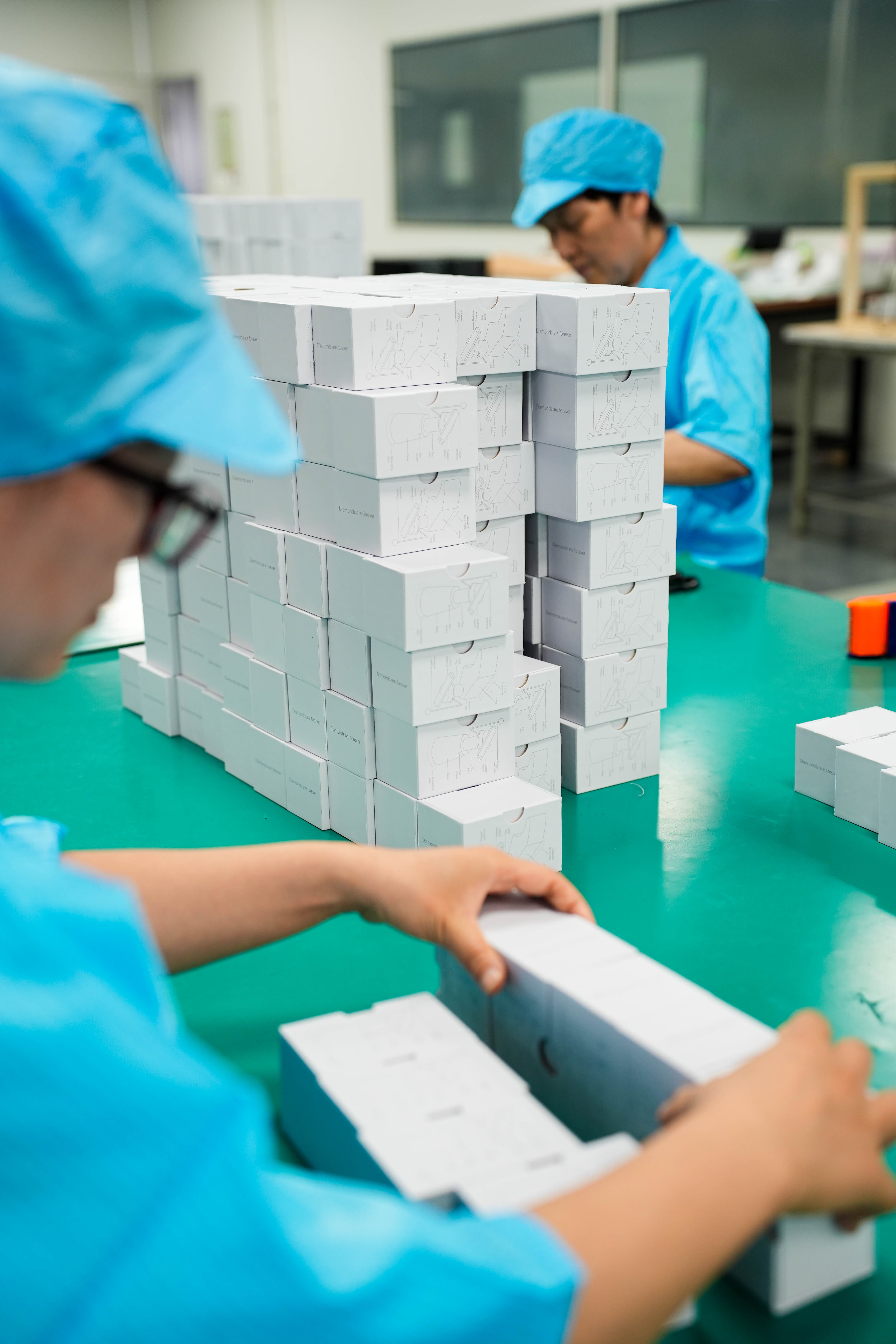
Before we begin manufacturing custom packaging boxes, we may need to prepare structural drawings, production samples, cutting tools, and printing equipment.
Some of these expenses occur before mass production starts. Their contribution to the unit price becomes more noticeable when the order quantity is small.
Structural Development and Sampling
A custom box begins with a structure that can be manufactured consistently.
For folding cartons, we prepare a dieline that defines the cutting and creasing positions. Rigid boxes may require separate drawings for the lid, base, wrapping papers, and internal components. We also need to account for the dimensions of the actual product.
Consider a rigid gift box designed to hold three glass fragrance bottles. The outer dimensions alone cannot tell us if the bottles will fit securely. We need to assess the bottle dimensions, insert spacing, lid clearance, and the arrangement of the interior.
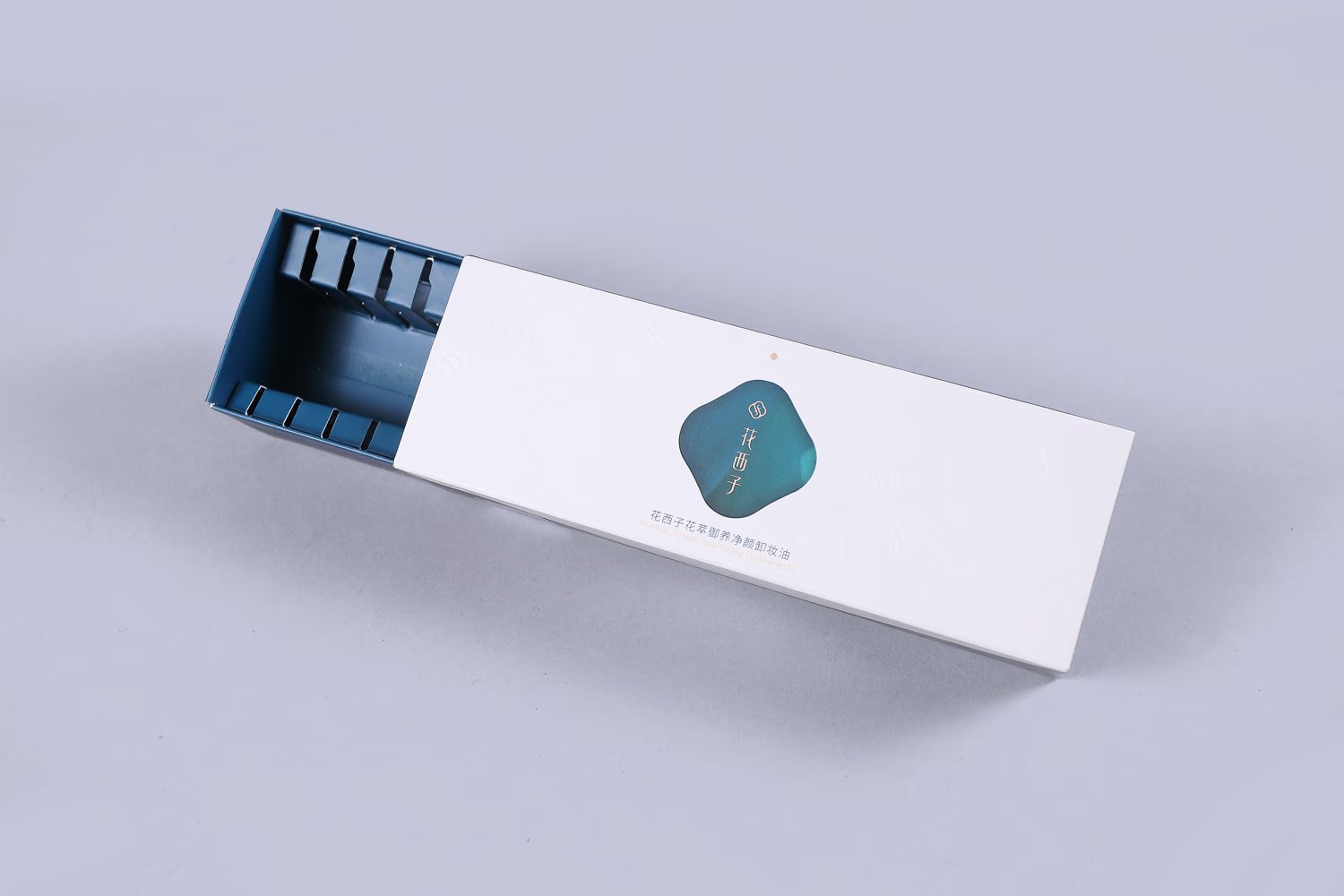
A structural sample allows us to check these details before printing and mass production. Our custom cosmetic drawer folding carton with card insert (WK005) illustrates why this is important, as the sleeve, sliding drawer, and interior card components must fit together accurately. We assess these structural requirements before approving the design for production.
We recommend approving the box structure before finalizing expensive surface finishes. If the structure needs to change after printed materials have been prepared, new samples or production tools may be necessary.
White Samples and Printed Samples Have Different Costs
We provide white structural samples so customers can inspect the dimensions, fit, and construction before approving production. As explained in our custom packaging FAQ covering sample costs and shipping, white samples are available without a sampling charge, with shipping charged separately.
Printed samples involve more work. We may need to reproduce the artwork, prepare the selected finishes, and complete the box using the intended materials. Those operations create additional sampling costs. Our FAQ also explains that printed sample fees may be refunded or deducted after a qualifying bulk order is placed.
We confirm the applicable sampling terms during quotation.
How Tooling Costs Affect the Price per Box
Manufacturing tools may include die-cutting tools, printing plates, and equipment setup. These costs are often incurred at the beginning of a production run.
To illustrate how setup costs affect unit pricing, consider a hypothetical $300 setup charge.
The calculations are illustrative and exclude materials, labor, printing, freight, and other charges.
The setup expense stays at $300 in this example, but its contribution per finished box decreases as the quantity increases. This is one reason smaller production runs often have higher unit prices. Tooling can also be affected by subsequent design changes. If a customer changes the box dimensions or structural layout, we may need to modify or replace the cutting tools.
For repeat orders, we review which approved specifications and production tools can be reused before calculating the next quotation.
2. Box Dimensions and Printing Sheet Size
The physical size of a custom packaging box affects more than the amount of paperboard required. We also need to calculate its unfolded dimensions and determine how efficiently the components fit onto a printing or cutting sheet. A small adjustment to the box dimensions can sometimes produce a larger change in manufacturing cost than expected.
Why Unfolded Dimensions Affect Production Costs
A folding carton is manufactured from a flattened sheet that is printed, cut, and creased before assembly. Rigid boxes generally require separate structural components and exterior wrapping materials. We calculate material requirements using the complete layout, including allowances for cutting, folding, wrapping, and assembly.
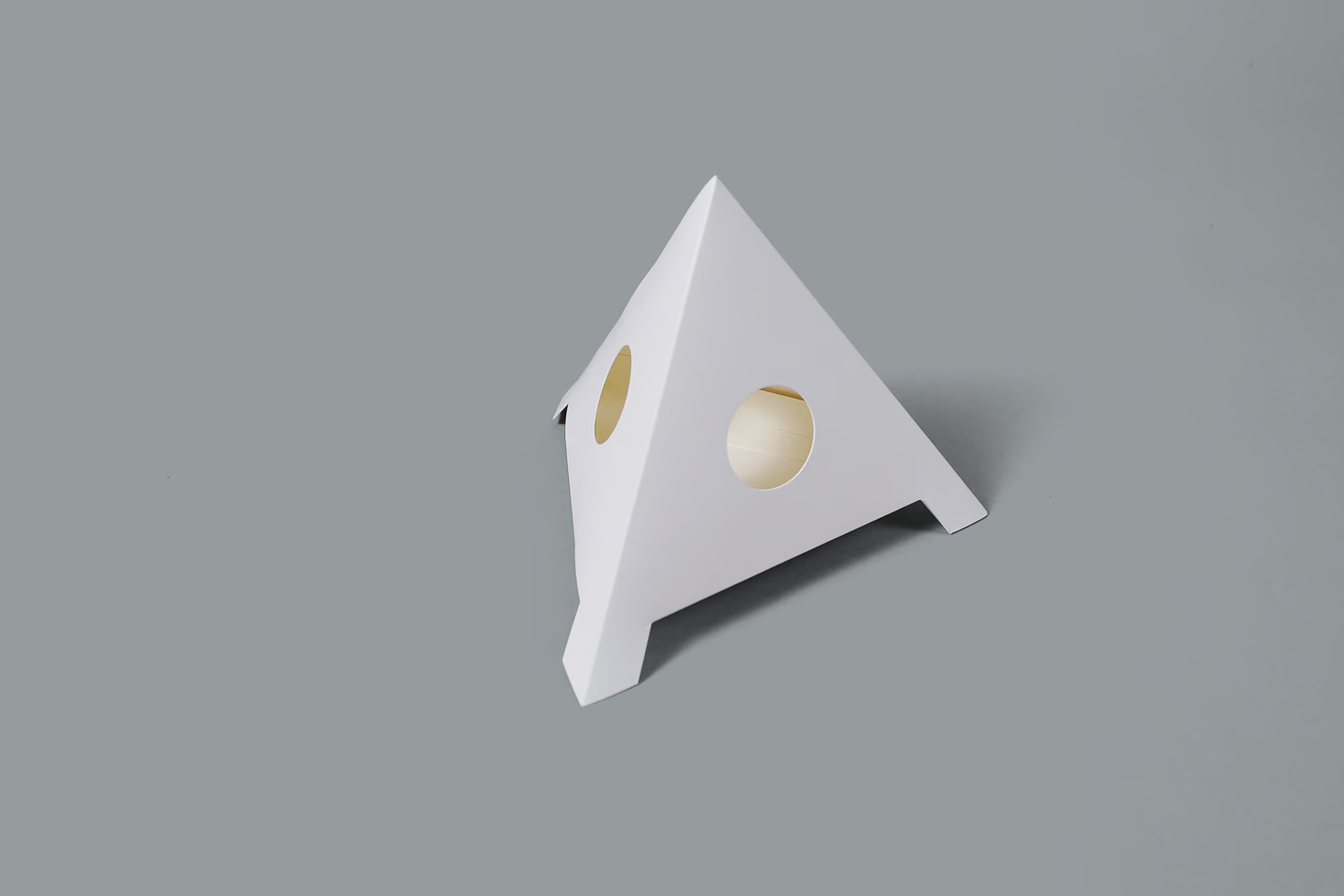
The number of components that fit on each sheet affects material utilization. A design such as our pyramid-shaped folding carton with a round window (WK017) illustrates how non-standard box shapes introduce different cutting layouts. We calculate the unfolded dimensions and sheet arrangement to determine how much paperboard is required.
For example, consider two hypothetical folding carton designs produced from the same sheet size.
The second layout requires 20% more sheets to produce the same number of boxes, before accounting for production waste. The finished box may only be slightly larger, but the reduced number of layouts per sheet increases material consumption. Actual production calculations also depend on the sheet orientation, material grain direction, equipment limits, and cutting allowances.
This explains why reducing a box by a few millimeters does not always reduce the price. The saving becomes more significant when the new dimensions allow a more efficient sheet layout.
Printing Equipment Can Change the Production Cost
Larger unfolded packaging components may require different printing equipment.
Printing equipment may support different sheet formats, including approximately 1,060 × 760 mm and 1,650 × 1,250 mm. We evaluate the unfolded box dimensions against the usable printing area before determining the appropriate production arrangement.
These are equipment examples, not universal industry limits. Actual usable sheet dimensions depend on the press and production requirements. If a design cannot fit the planned equipment, we may need to review an alternative production arrangement. This can affect setup work, material consumption, printing operations, and the final quotation.
Similar Products May Share One Box Size
We sometimes recommend using a common external box size for products with similar dimensions. For example, a skincare brand may have three product sets requiring different interior arrangements.
If the products can safely fit inside the same outer box, we can examine the possibility of using one structural design with different inserts. This may reduce the need for separate cutting tools and structural setups.
However, the shared box still needs to accommodate the largest product and provide appropriate support for the smaller items. Our priority is to identify a manufacturing specification that fits the product without adding unnecessary complexity.
3. Order Quantity and Production Volume
Order quantity directly influences the unit price of custom packaging boxes.
Many manufacturing expenses are incurred before production reaches its full output. Printing setup, die-cutting preparation, machine adjustments, and other operations must be completed even for relatively small orders.
When we produce a larger quantity using the same specifications, we can distribute some of these costs across more finished units.
Why Larger Orders Usually Have Lower Unit Prices
A simplified way to understand the relationship is through two types of manufacturing costs.
- Fixed production costs include certain preparation and setup expenses.
- Variable production costs include the materials and operations required for each additional box.
The relationship can be expressed as follows.
This is a simplified model. Real production quotations also account for capacity, material purchasing, waste, and other manufacturing requirements.
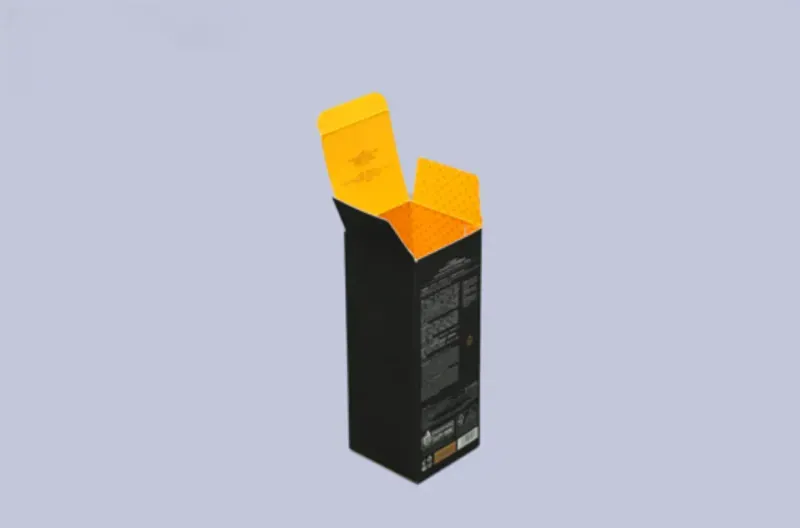
The same pricing principle applies to a repeatable packaging design such as our custom folding cartons. If we manufacture 500 units and then calculate a hypothetical 5,000-unit order using identical specifications, the preparation costs can be distributed across more finished cartons. The actual unit-price difference still depends on material consumption, printing, and production efficiency.
Why Unit Prices Do Not Keep Falling at the Same Rate
Increasing production quantity does not produce unlimited savings. At smaller quantities, setup costs may account for a substantial part of the unit price.
Once those costs have been distributed across several thousand boxes, further reductions depend more on material costs, production efficiency, and available capacity. A larger order also continues to consume raw materials and assembly labor.
We therefore do not apply a fixed percentage discount simply because an order increases in size. We calculate the production requirements at the requested quantity.
How Minimum Order Quantities Affect Pricing
For qualified custom rigid box projects, our production minimum generally starts at around 500 units.
Rigid box manufacturing involves several preparation stages, including cutting, wrapping, printing, and assembly. Those operations make very small production runs comparatively expensive.
A minimum order quantity establishes a practical production threshold. It does not establish a standard price for every box. A simple two-piece rigid box and a magnetic closure box with a custom insert may both be ordered at 500 units, but their manufacturing costs can differ substantially.
For the most useful price comparison, we recommend requesting quotations at two or three realistic quantities using the same specifications.
4. Packaging Material Selection and Board Thickness
The structural material used to manufacture a custom box influences both raw material consumption and the production process. Different packaging materials have different strength, thickness, cutting, printing, and assembly requirements.
We select materials according to the product's dimensions, weight, packaging structure, and intended use.
Rigid Board, Folding Carton Board, and Corrugated Board
Rigid boxes, folding cartons, and corrugated boxes are manufactured using different paperboard constructions.
The Paperboard Packaging Council also distinguishes folding cartons from rigid set-up boxes based on their board construction and production characteristics. We examine these differences when preparing quotations because changing the packaging format can change both material costs and manufacturing operations.
However, packaging type alone does not determine the final price.
A large folding carton with complex printing and several interior components can involve more production work than a small rigid box with a simple finish. We therefore compare actual specifications instead of relying on a universal price ranking between packaging formats.
How Board Thickness Changes the Cost
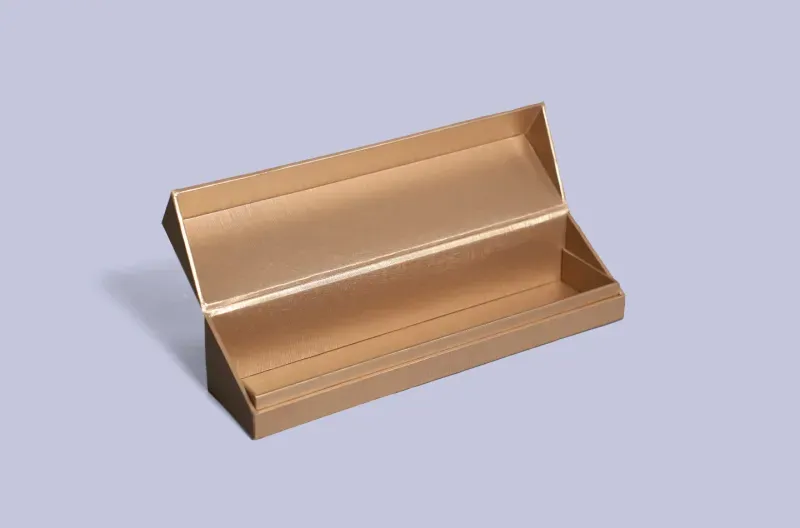
Our luxury brown specialty paper flip-top rigid box (WC240) combines greyboard with specialty wrapping paper, making it a useful example of how structural and exterior materials contribute to manufacturing costs.
If two versions of this box were manufactured using 1.5 mm and 2.5 mm greyboard, the thicker version would generally require more material and could affect the cutting, wrapping, and fitting requirements. These thicknesses are illustrative and are not the published specifications of WC240. Its final cost also depends on the grade and density of the board.
For a compact jewelry box, an excessively thick board may add weight and expense without improving the intended construction. A larger presentation box holding several heavy products may require a different specification.
We assess board thickness alongside the box dimensions, structural design, and product weight before recommending a material.
Exterior Wrapping Materials Also Affect Pricing
Rigid boxes are commonly covered with printed paper or specialty wrapping materials.
The structural board may stay the same while the exterior material changes. When a project specifies FSC-certified materials, we also review the relevant FSC chain-of-custody requirements because certification and material sourcing can affect the available production options.
For example, a standard printed paper wrap and a textured specialty paper can differ in material price and processing requirements. Some specialty papers also need additional attention during printing or wrapping. This is why we ask customers to specify both the structural board and the exterior finish when requesting a quotation.
You can view our custom rigid boxes to see the available structures, materials, and finishes.
5. Box Structure and Manufacturing Complexity
The construction of a custom box determines how many components we need to manufacture and how those components are assembled. A structure with several moving parts generally requires more fitting and assembly work than a simple construction with fewer components.
These differences can affect production time, tooling requirements, and material consumption.
Two-Piece Rigid Boxes Compared With Drawer Boxes
A conventional two-piece rigid box consists of a separate lid and base. Each component must be formed, wrapped, and finished according to the approved dimensions.
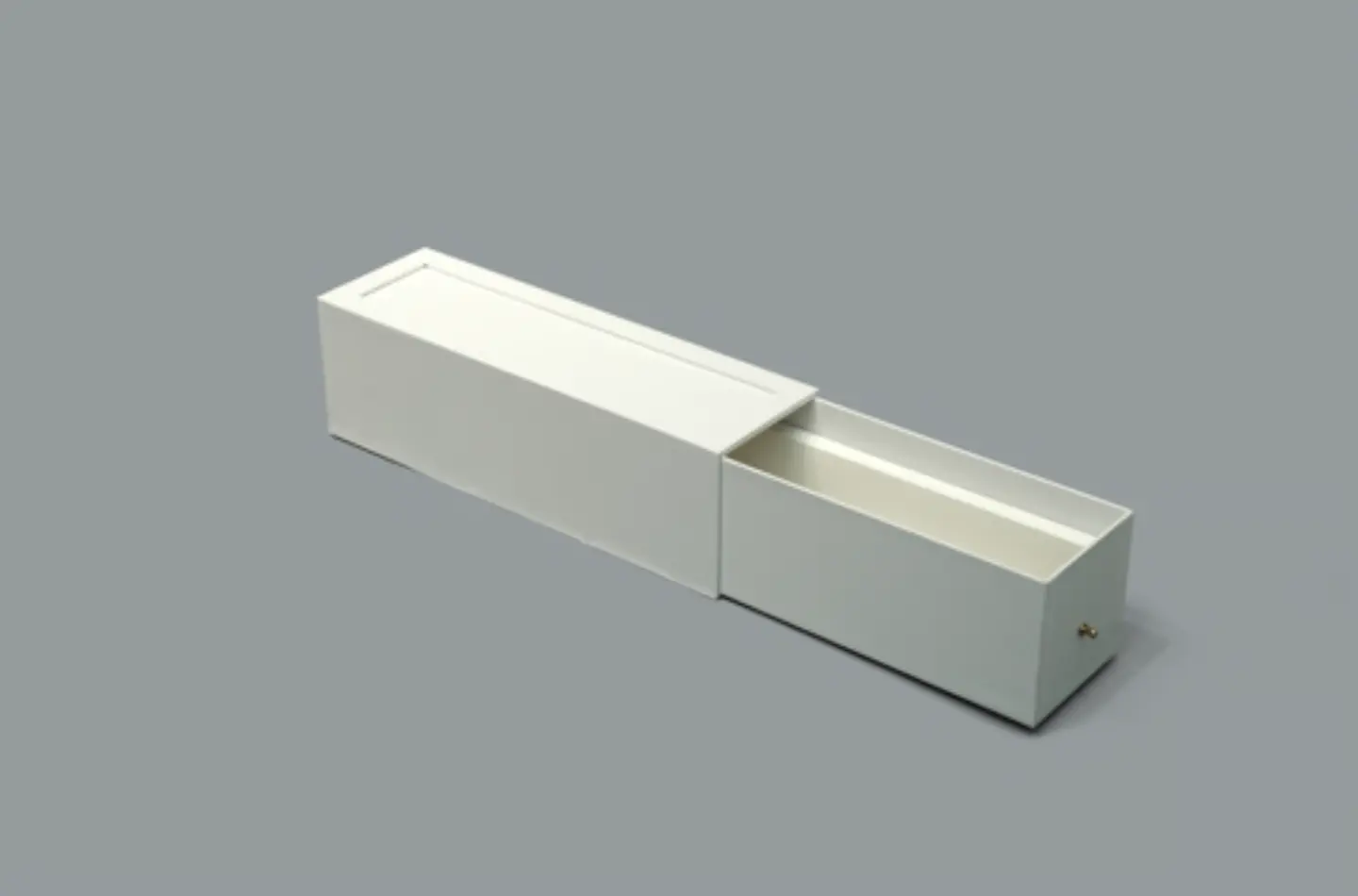
A drawer-style rigid box uses an inner tray that slides inside an outer sleeve. Our recyclable sliding drawer paper box for sweets and gifts (WJ090) provides an example of this construction. We account for the separate components, wrapping requirements, and drawer-to-sleeve fit when calculating the manufacturing cost.
The drawer requires accurate dimensions so the tray can slide smoothly without becoming loose or difficult to remove. Depending on the design, we may also need to produce separate wrapping components, attach ribbon pulls, and complete additional assembly operations. The increased cost comes from the production requirements involved.
A box does not become more expensive simply because it has a premium-sounding name. We calculate the components and manufacturing processes that its structure requires.
Magnetic Closures and Foldable Constructions
Magnetic closure boxes may contain concealed magnets embedded beneath the exterior wrapping material. These magnets introduce additional components and positioning requirements. We need to account for the closing force and the alignment between the cover and the base.
Foldable rigid boxes introduce different considerations.
Their panels must fold into the required shape and remain secure when assembled. Some designs use adhesive strips, magnetic corners, or interlocking components. Although foldable structures can reduce shipping volume, they may require additional components or assembly work during manufacturing and packing.
We compare these production requirements with the intended shipping arrangement before recommending a structure.
Why Assembly Tolerances Affect Production Costs
Box components must fit within acceptable manufacturing tolerances.
A drawer that fits too tightly may be difficult to open. A removable lid that is too loose may fail to stay properly aligned. Additional components increase the number of dimensions and contact surfaces that must be controlled.
In some designs, poor alignment can produce more rejected units or additional rework. We account for inspection and production consistency when assessing these requirements, with ISO 9001 quality management principles providing a recognized reference for managing quality processes.
We therefore review the structure for manufacturability before confirming the final production specification.
6. Printing Methods and Surface Finishing Processes
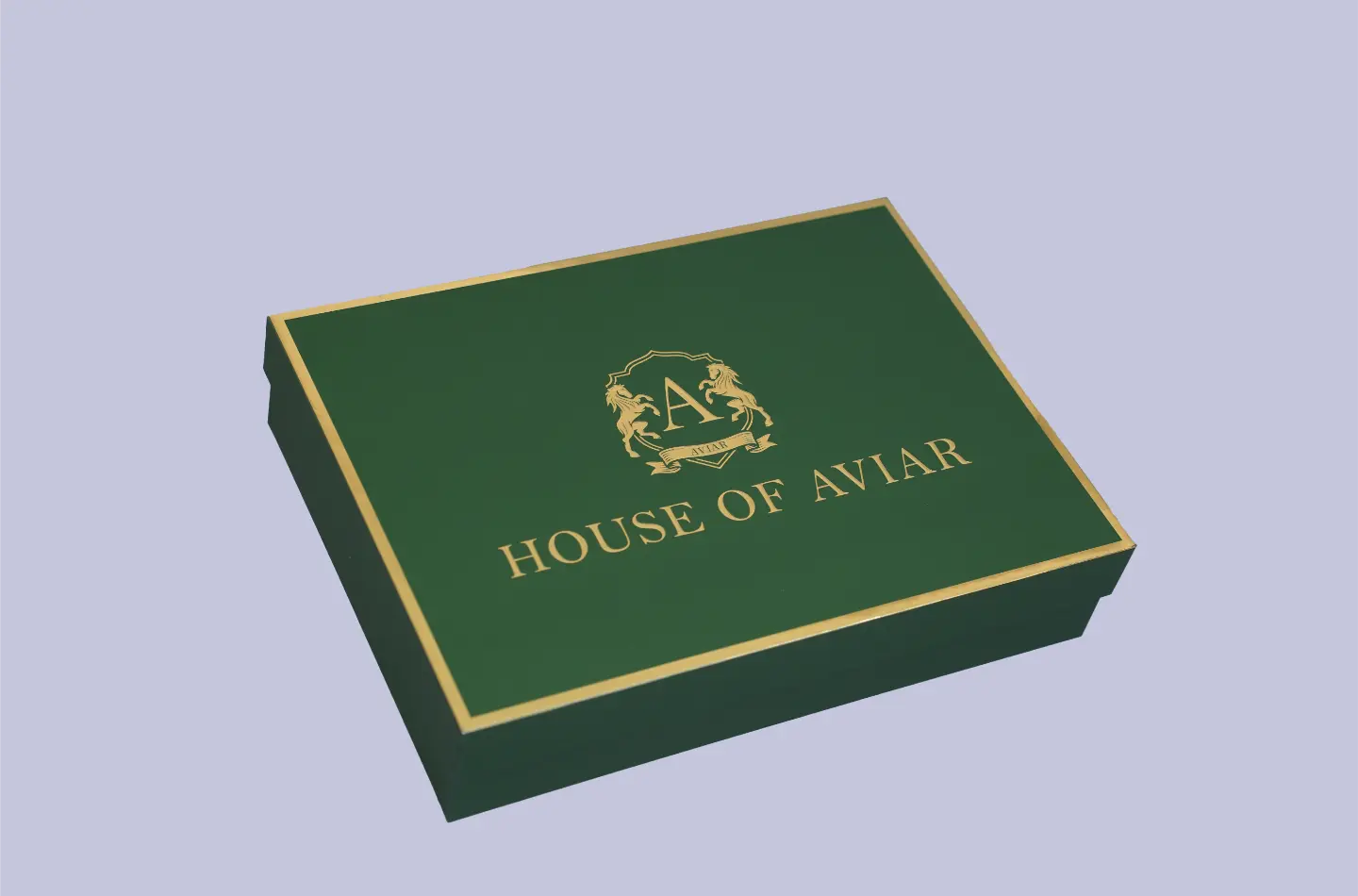
Printing and decorative finishing can significantly change the price of custom packaging boxes. The effect depends on the production method, artwork, number of colors, printing surfaces, and additional finishing operations.
A simple printed design may require fewer processes than a box with several layers of decorative effects.
Digital Printing and Offset Printing
Digital and offset printing have different preparation requirements and production economics. Digital printing can reduce certain conventional setup requirements, making it useful for appropriate short runs and proofing applications. Offset printing commonly involves plates and press preparation. These setup costs can be distributed across larger production quantities.
However, the most economical method depends on the box material, artwork, equipment, finishing requirements, and order size. We do not select a printing method based on quantity alone.
For custom rigid boxes, we also need to consider how printed wrapping sheets will behave during cutting and assembly.
How Colors Affect Packaging Costs
Standard CMYK printing uses cyan, magenta, yellow, and black inks to reproduce a wide range of colors. Additional spot colors, specialty inks, or particular color-matching requirements may introduce separate production considerations.
Brands using specific corporate colors across multiple packaging products may require Pantone's standardized color specifications alongside approved printed samples. We use the agreed color references when assessing printing requirements and production consistency.
We recommend defining the intended color standard before approving samples. Changing color specifications after production artwork has been prepared can introduce additional proofing or setup work.
Why Foil Stamping and Embossing Add Costs
Surface finishes may involve separate operations after printing.
For example, a printed gold-colored logo and a metallic foil-stamped logo are not manufactured in the same way. The printed version is reproduced using ink.
Embossing and debossing introduce further tooling and pressure-forming operations to create raised or recessed details. We account for the additional tooling, setup, and processing time when calculating manufacturing costs. Spot UV can also require a separate coating application to selected areas of the artwork.
These processes may increase costs through additional tools, preparation, materials, and production time.
The relationship is not always proportional to the number of decorative elements. A small foil-stamped logo may still require the preparation of a dedicated tool.
Why Multiple Finishes Can Increase Production Complexity
Consider a rigid box with four decorative requirements.
- CMYK printing
- Gold foil stamping
- Embossed logo
- Spot UV coating
Each additional process introduces its own production requirements. Some finishing operations also require accurate alignment with previously printed artwork.
When we review a design with several finishes, we examine the intended result alongside the processing requirements. If a particular finish adds cost without achieving the desired visual effect, we may recommend a simpler alternative.
The objective is to achieve the approved appearance using a practical production specification.
7. Custom Inserts and Interior Accessories
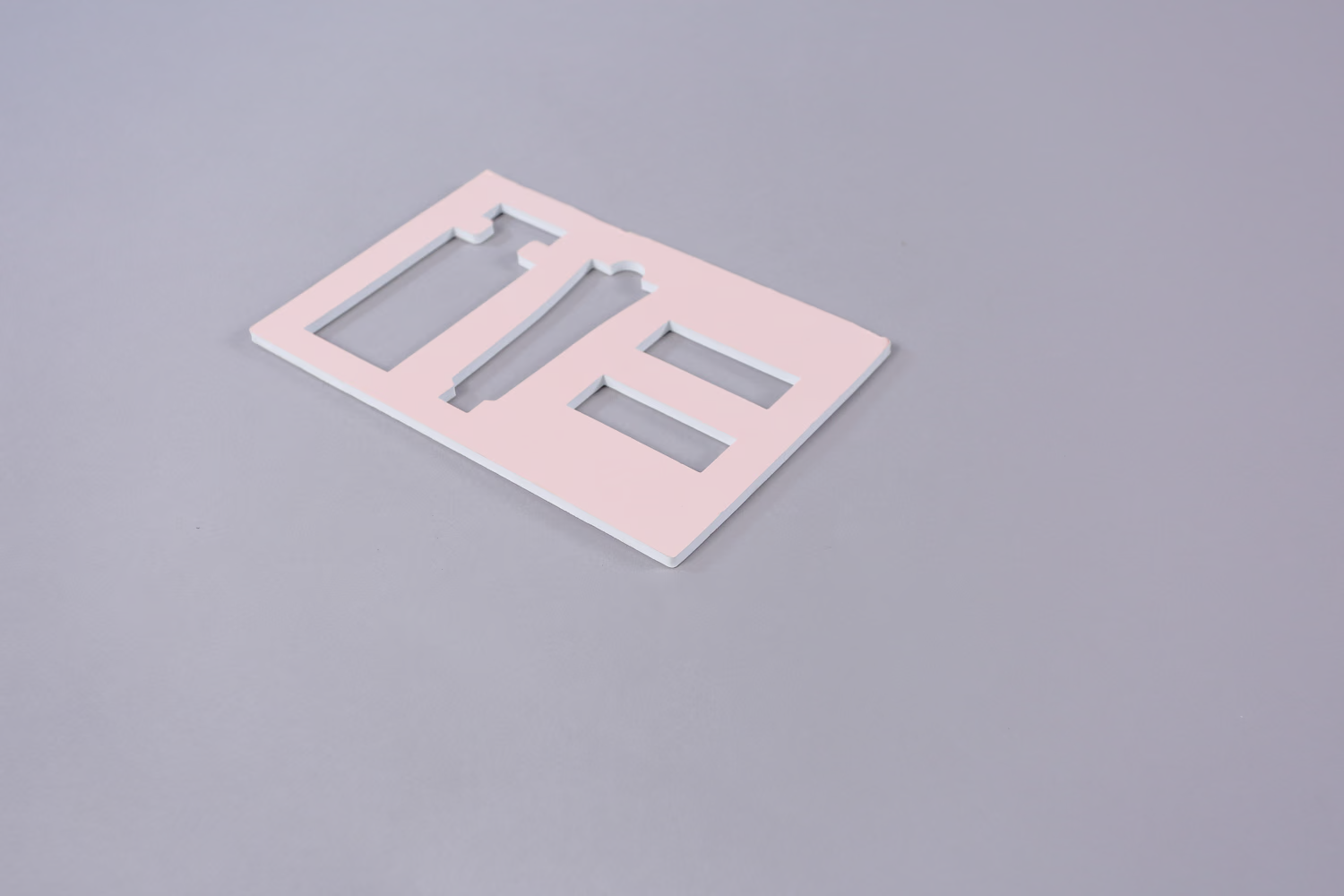
The interior of a custom packaging box can contribute a substantial amount to its manufacturing cost. A box with an empty interior requires fewer components than one containing custom-cut inserts, fabric-covered trays, ribbons, or multiple compartments.
These additions affect material usage and introduce separate production and assembly steps.
How Different Inserts Affect Pricing
We manufacture packaging with different interior arrangements according to the size, weight, and handling requirements of the product.
Common options include paperboard dividers, molded pulp trays, foam inserts, and fabric-covered components.
The most suitable insert depends on the product and packaging specification.
We do not assume that one insert material is always cheaper than another. Costs depend on the required shape, quantity, material grade, and production method.
Example of a Three-Bottle Fragrance Box
Consider a rigid box designed to contain three fragrance bottles.
The first option has a plain interior.
The second includes a custom-cut insert with three individual cavities. Depending on the fragrance bottles' dimensions and weight, we may recommend different interior materials, including the EVA and foam packaging inserts available from GUKA. Each insert adds material, cutting, and fitting requirements beyond the exterior box structure.
Although both boxes use the same exterior structure, the second design introduces additional material and cutting work. We may also need to account for cavity dimensions, product weight, and how the bottles will be removed. If the insert is covered with fabric or another decorative material, further finishing and assembly work may be required.
These expenses should be included in the quotation instead of being treated as minor additions.
Why We Recommend Testing Inserts With the Actual Product
A product's published dimensions may not provide enough information for precise insert development. A glass bottle may have a wide shoulder, an irregular base, or a projecting cap.
We recommend providing physical product samples when the fit is difficult to confirm from measurements alone. When transport performance testing is required, ISTA's packaging testing procedures provide recognized methods for evaluating packaged products under simulated distribution conditions.
For multi-component packaging, this step can also reduce the risk of expensive changes after production specifications have been approved.
8. Shipping, Freight, and Packaging Volume
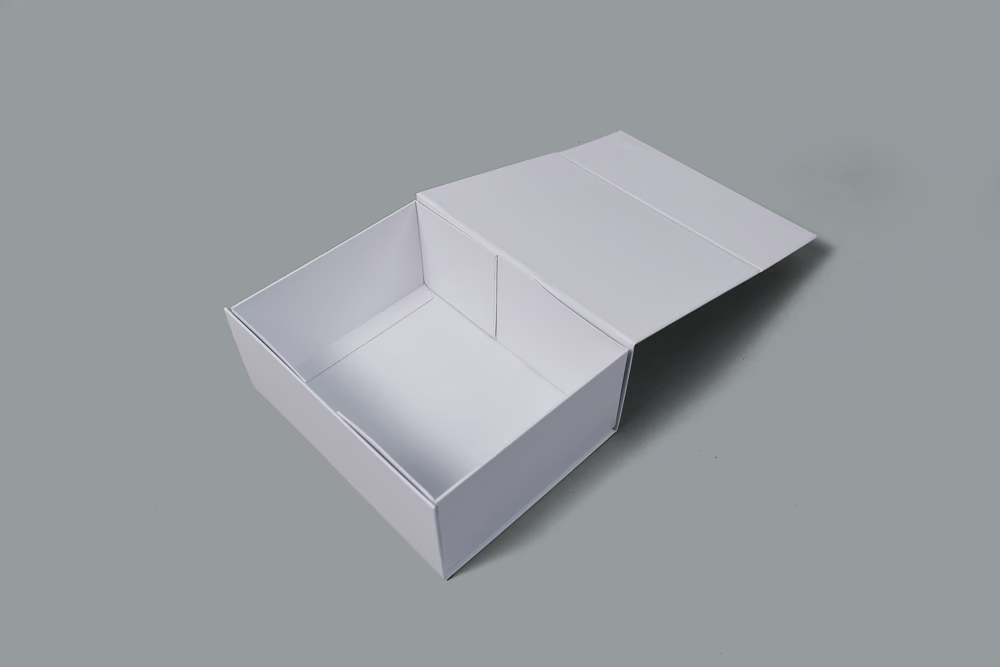
Manufacturing cost is only part of the total expense when custom packaging is delivered internationally. Shipping costs depend on the physical volume and weight of the packed boxes, the destination, and the chosen freight service.
These factors are particularly relevant for US brands sourcing custom packaging from overseas manufacturers.
Why Assembled Rigid Boxes Can Cost More to Ship
Conventional rigid boxes generally retain their assembled shape during shipping.
Even when empty, they occupy the space defined by their finished dimensions. Folding cartons are typically supplied flat, allowing more units to be packed into a smaller volume.
Collapsible rigid boxes may provide a similar storage advantage, depending on their design. Our collapsible one-piece rigid box with magnetic closure (WJ064) illustrates how a rigid structure can be folded flat before shipment. This can reduce packed volume compared with a fully assembled rigid box, although the actual freight savings depend on the final packing arrangement.
The difference affects how many finished boxes fit into a shipping carton or freight shipment. For example, two packaging designs may have similar factory production costs but different shipping requirements.
A large pre-assembled box may occupy more freight space than a foldable alternative. However, a foldable design may introduce additional assembly work when it reaches the packing facility.
We compare the manufacturing and shipping requirements together when reviewing packaging structures.
Shipping Method and Destination
Sea freight, air freight, and courier services have different pricing arrangements. Shipping calculations may depend on actual weight, volumetric weight, container space, destination, and handling requirements. For international orders, the selected delivery terms also influence which expenses are included in the manufacturer's quotation.
For example, a factory-price quotation and a delivered-duty-paid quotation do not cover the same cost responsibilities.
The International Chamber of Commerce's Incoterms rules define the responsibilities associated with common international trade terms, including transportation, delivery, and specified costs.
We recommend confirming the agreed delivery terms before comparing quotations from different manufacturers.
Why Freight Costs Should Be Reviewed Before Finalizing Box Dimensions
Packaging dimensions can affect how efficiently boxes are packed into outer cartons.
A design that is only slightly larger may reduce the number of boxes fitting into each shipping carton. This can increase the total packed volume and, under applicable freight pricing, the transportation cost per finished box.
We therefore review the packing arrangement during packaging development when shipping volume is likely to contribute significantly to the overall cost. For large rigid boxes, a small structural adjustment can sometimes improve carton utilization without changing the intended presentation.
The final decision should be based on the actual packing configuration and freight quotation.
Why Two Manufacturers May Quote Different Prices for the Same Custom Box
A packaging quotation is calculated from the specifications provided. When those specifications are incomplete, manufacturers may make different assumptions.
One manufacturer might calculate the cost using thinner greyboard. Another may assume a heavier board or a more expensive exterior material.
The quotations can differ even if both suppliers were given the same reference photograph.
Consider the following illustrative comparison.
These quotations describe different products and delivery arrangements. A lower price does not automatically indicate a more efficient manufacturer. It may simply reflect a lighter material, fewer finishing operations, or the exclusion of freight and accessories.
Check What Changes Between Quotations
We recommend comparing quotations using three questions.
- What specification is different?
Identify changes in board thickness, exterior paper, structural components, printing, inserts, or order quantity.
- Which manufacturing operation does that change affect?
Determine if the revised specification changes material consumption, tooling, printing, assembly, or another production requirement.
- Is the quoted price based on the same delivery terms?
Confirm the treatment of tooling, sampling, packing, freight, and import-related charges.
This comparison helps separate genuine production savings from differences in the product being quoted.
Why Packaging Prices May Change After the Initial Estimate
An initial quotation is only as accurate as the specifications used to prepare it.
If a customer requests a different board thickness, adds foil stamping, changes the dimensions, or reduces the order quantity, we need to recalculate the affected costs. For this reason, we recommend confirming the essential specifications early in the development process.
Changes are easier to assess before tooling, samples, and production requirements have been finalized.
What We Need to Calculate an Accurate Custom Packaging Box Price
We can provide more useful pricing information when the manufacturing requirements are clearly defined. A reference image is helpful, but it does not tell us everything needed to calculate the production cost.
For an accurate quotation, we recommend preparing the following information.
If the packaging structure is still being developed, we can review product dimensions, photographs, and design references before recommending suitable options. Where possible, we recommend confirming the product fit with a structural sample before approving the final manufacturing specification.
This allows us to price the intended box against a defined structure, materials, finishes, and production quantity.
Conclusion
Custom packaging box prices are determined by the manufacturing requirements behind the finished product.
Development and tooling create preparation costs. Box size affects material usage and production layouts. Order quantity changes how setup costs are distributed, while materials, structures, finishes, and inserts determine the work involved in manufacturing each unit.
For international orders, packed dimensions and delivery terms also influence the total expense.
When we review a packaging project, we examine these factors together. A change intended to reduce material costs may affect the structure or assembly process. A foldable design may require additional production work but reduce shipping volume. The most useful quotation is therefore one based on complete, consistent specifications.
If you're planning a new packaging project, contact us with your product dimensions, preferred box style, reference images, expected order quantity, and delivery destination. We can review the production requirements and prepare a quotation based on your packaging needs.
Frequently Asked Questions
What factors have the biggest impact on custom packaging box prices?
Material specifications, box dimensions, structure, order quantity, printing, and finishing requirements are among the main factors.
Their relative impact depends on the design. A simple folding carton may be influenced heavily by board usage and printing volume, while a rigid box with several components may require additional wrapping and assembly work.
We calculate pricing using the complete specification.
Why does ordering more custom boxes reduce the price per unit?
Larger orders allow certain setup and preparation costs to be distributed across more finished units.
For example, a cutting tool prepared for one box design may support a production run of 500 or 5,000 units.
The tool's cost contributes less per box in the larger run, although material and other variable costs continue to apply.
Does increasing box size always increase the manufacturing cost?
Not in direct proportion to the change in dimensions.
A larger box generally uses more material, but the price also depends on how its unfolded components fit the available printing and cutting sheets.
A small dimensional increase can have a greater cost impact if it reduces the number of components produced from each sheet or requires different equipment.
Why can magnetic closure rigid boxes cost more than two-piece boxes?
Magnetic closure boxes can require additional components, magnet placement, and assembly operations.
The actual difference depends on the structures being compared.
A simple magnetic box and an elaborate two-piece box with specialty materials and inserts may have different production requirements, so we assess the complete designs before comparing prices.
Does thicker greyboard always make a rigid box better?
Thicker greyboard can provide greater stiffness, but the appropriate thickness depends on the box dimensions, structure, and contents.
Excessive thickness may add material cost and weight without providing a useful benefit for a small or lightweight product.
We recommend selecting board thickness according to the required construction and product fit.
Are sampling and tooling costs included in the box price?
This depends on the quotation and the type of development required.
Sampling, printing plates, cutting dies, and other preparation expenses may be included, itemized separately, or subject to specific terms.
We explain the applicable sampling arrangements in our FAQ and recommend confirming all additional charges before production approval.
Why do manufacturers quote different prices for identical packaging designs?
Manufacturers may use different materials, board thicknesses, printing methods, finishing processes, or delivery terms.
Two quotations may therefore appear to describe the same box while covering different manufacturing specifications.
We recommend requesting a detailed specification breakdown before comparing the prices.
Can changing the packaging insert reduce manufacturing costs?
It can, depending on the original insert design.
A revised insert may use a different material, fewer components, or a simpler cutting and assembly process.
Any change still needs to provide suitable product support and fit within the approved box dimensions.
We recommend reviewing insert design alongside the box structure because the two components affect each other's manufacturing requirements.
Recommended for you





You Might Enjoy


Are we right for each other?
We work best with brands that treat packaging as part of the product, not as the last thing on the list. To save us both time, here is who we work with best.
We're probably not the right fit if:
- Orders under $1,000.
- A few boxes, one time.
- Lowest quote wins.
- No conversation, just add-to-cart.
- Brand direction still up in the air. Our FAQ covers the basics first: process, scale, sampling, finishing, production. Worth reading before submitting anything.
We're a strong fit if:
- Projects starting around $1,000 and up.
- Sampling before production makes sense to you. It runs from $300, though complete artwork and locked specs can sometimes skip straight to the line.
- There's real budget behind the packaging, and an expectation that production standards get defined properly.
- What's needed is a manufacturing partner across structure, material, process and delivery. Not a print shop taking a file.
- The box has a job: retail shelf, gifting, unboxing. It has to carry the brand.
- Getting it right matters more than getting it cheapest.
Sound like your project? Let's talk
What happens after you submit
1. A specialist reviews your project, usually within 1 business day.
2. We follow up with questions, options, and indicative pricing.
3. Once the spec is confirmed, we move to sampling.